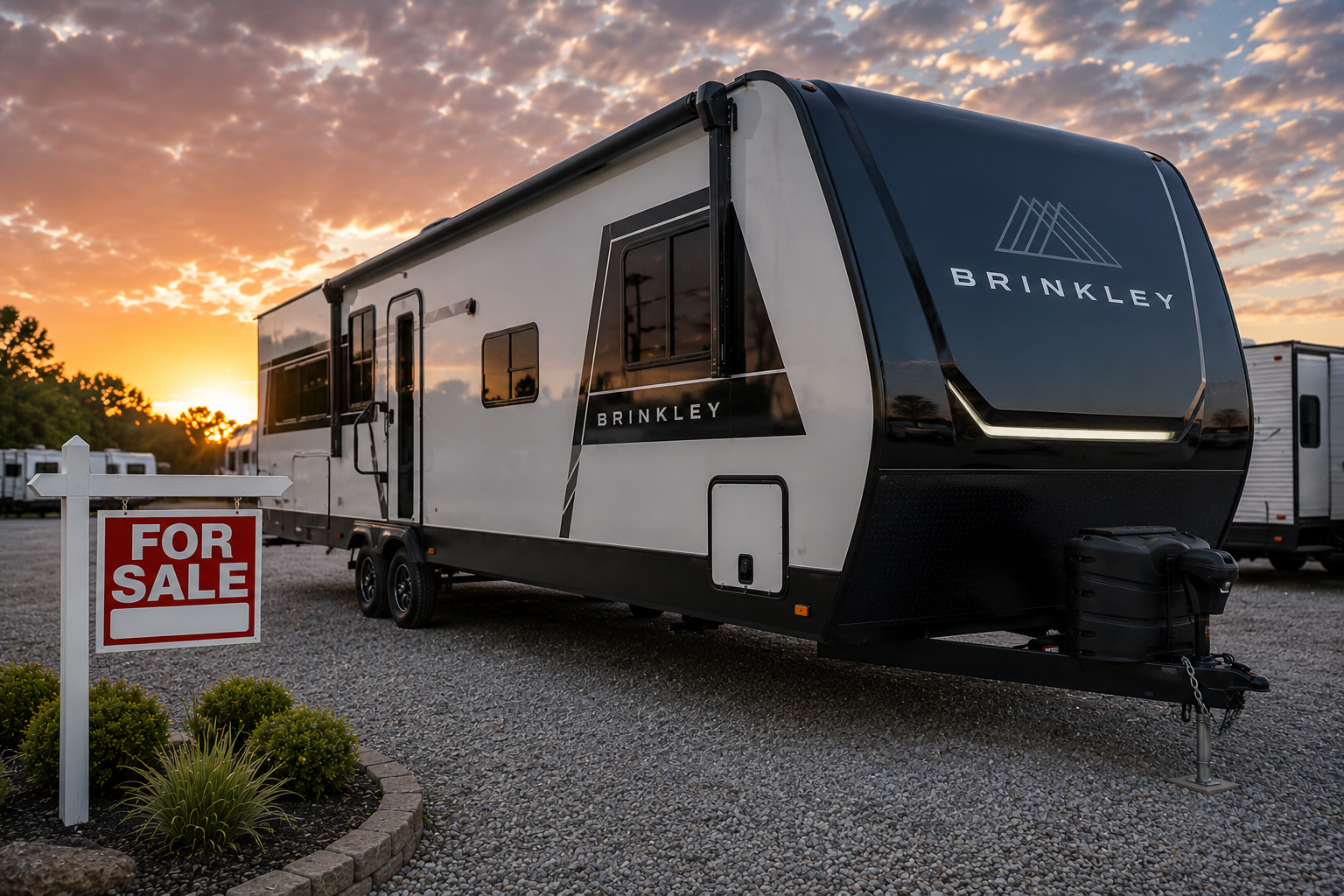
Buying a new or used RV is exciting. You’re looking at floor plans, imagining where you’ll go or how you’ll make it your home, and trying to decide which RV feels right.
But whether you’re buying a brand-new RV from a dealership, a used RV sitting on a dealer’s lot, or buying directly from the previous owner, there’s something you should know before you sign the paperwork:
What you see during a walkthrough isn’t necessarily the whole story.
Brand New Doesn’t Always Mean Problem-Free
It’s easy to assume that if you’re purchasing a brand-new RV from a dealership, everything should be in perfect working order.
Unfortunately, that’s not always the case.
An RV has already been through manufacturing, transportation and handling before you ever walk onto the lot. Even a brand-new RV can have loose plumbing connections, improperly sealed areas, electrical problems, appliance issues, slide concerns, roof or sealant problems, or components that simply aren’t working the way they should.
Some of these may be minor fixes. Others may be things you definitely want addressed before that RV becomes yours.
That’s why an independent pre-purchase inspection can be just as important on a new RV as it is on a used one.
“We’ve Already Inspected It”
A dealership may tell you that they’ve already performed their own pre-delivery inspection, or PDI.
That’s good. You want them to inspect it.
But a dealership’s PDI and an independent inspection aren’t the same thing.
The dealership is preparing an RV that it is selling. An independent RV technician is evaluating that RV for you, the buyer.
There’s nothing wrong with wanting another set of experienced eyes on something you’re about to spend a considerable amount of money on.
What If the Dealership Doesn’t Want an Outside Inspector?
This is something RV buyers can run into.
You may be told that outside inspectors aren’t allowed, that an inspector can’t work on the RV while it’s on their property, or that they can’t provide access to water or electricity for testing.
Don’t be afraid to ask questions.
How can the plumbing be properly tested without water? How can the electrical systems and appliances be checked without power? Where does the dealership perform those tests when it prepares or services its RVs?
You don’t have to be confrontational about it. You’re simply trying to find out what you’re buying before you complete the purchase.
An independent inspection can be made a condition of your purchase. If a dealership isn’t willing to allow the RV to be independently evaluated or won’t make it possible for its major systems to be tested, you then have a decision to make:
Are you comfortable buying it without knowing?
Sometimes being willing to walk away from an RV is one of the best protections a buyer has.
What Does a Pre-Purchase RV Inspection Check?
A pre-purchase inspection can include much more than walking through the RV and turning on a few lights.
Depending on the RV and the type of inspection, a technician may evaluate things such as:
- Roof condition and sealant
- Signs of previous or current water intrusion
- Plumbing and water systems
- 12-volt and 120-volt electrical systems
- Air conditioning and furnace operation
- Water heater
- Refrigerator and other appliances
- Slide-out operation
- Leveling or stabilizing systems
- Exterior seals, windows and doors
- Tires and visible suspension components
- Underbelly and exterior condition
The goal isn’t to find a perfect RV.
It’s to give you a better picture of the RV you’re actually buying.
Buying Used From a Dealership?
A used RV deserves an especially close look.
A dealership can clean and detail an RV until it looks almost new, but a beautiful interior doesn’t tell you what’s happened during the years before it arrived on that lot.
Was the roof maintained? Has there ever been a leak? Are there signs of previous water damage? Have repairs been made? Do all of the systems actually operate correctly?
The previous owner may have traded the RV because they simply wanted something different.
Or there may be problems you haven’t discovered yet.
You want to know which situation you’re dealing with before it becomes your RV.
Buying From a Private Seller?
The same principle applies when buying directly from an individual.
And this isn’t necessarily about whether the seller is being honest.
An owner may genuinely believe their RV is in great condition and still not know that a seal has started leaking, an electrical component is failing or something underneath the RV needs attention.
An independent inspection gives both sides a clearer picture of the RV’s condition.
Don’t Wait Until After You Sign
Once the paperwork is signed and you’ve taken possession, the situation changes.
If you discover something afterward, you’re now dealing with warranties, repairs, scheduling and determining who is responsible for what.
Finding an issue before the purchase is completed gives you information you can actually use.
You can ask for repairs. You can discuss the price. You can decide the issue isn’t a deal breaker.
Or you can decide this isn’t the RV for you.
New or Used, Know What You’re Buying
Buying an RV is a big investment, and a shiny new exterior or spotless interior can only tell you so much.
Whether you’re shopping at a dealership or buying from an individual, don’t be afraid to ask questions, request that the systems be tested and have someone knowledgeable look at the RV before you make it yours.
RV Mobile Medics provides independent pre-purchase RV inspections to help buyers get a better understanding of the RV they’re considering before the paperwork is signed.
Leave a Reply