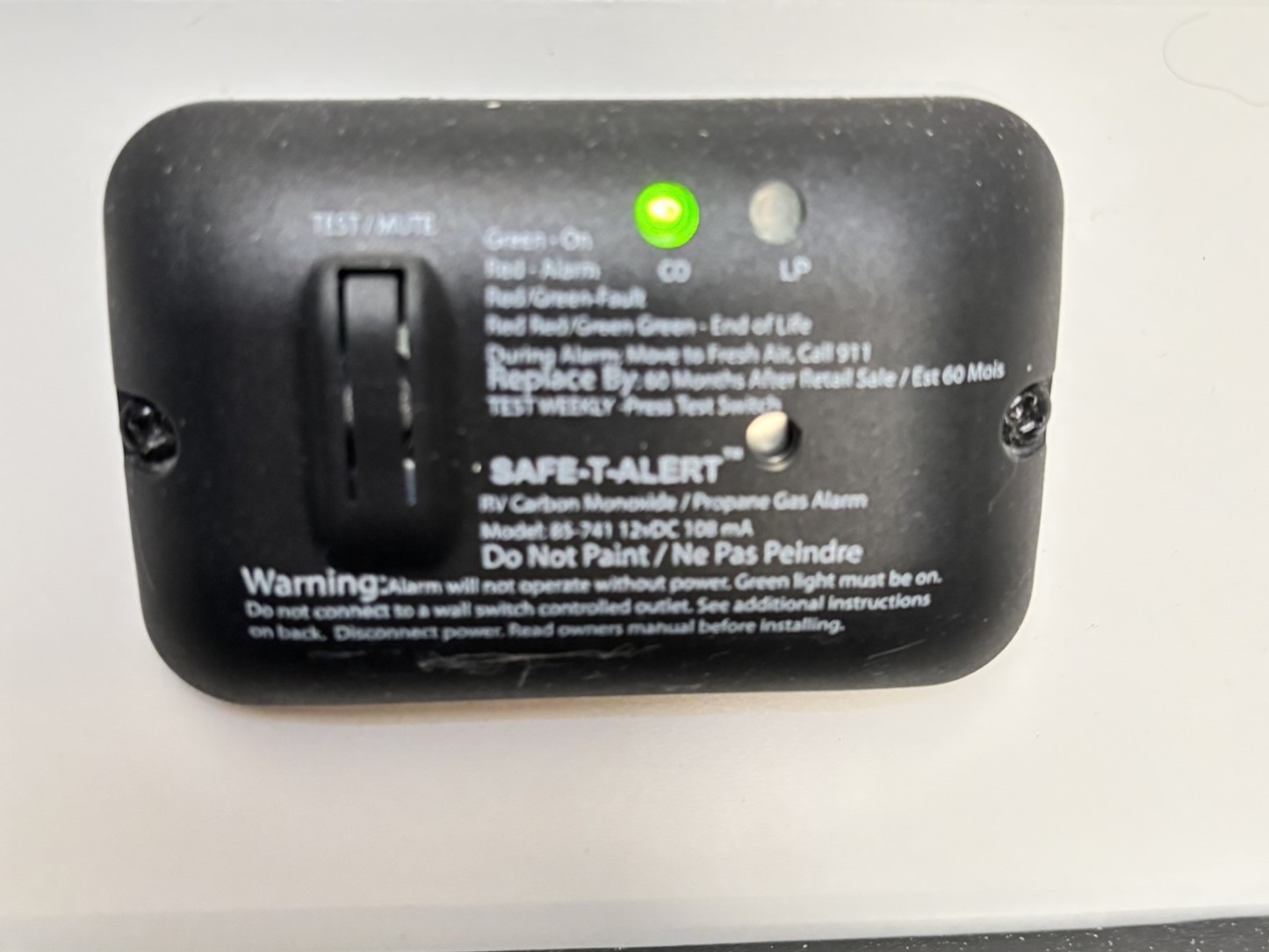
Few things will get an RV owner’s attention faster than a propane detector alarm.
When that alarm starts sounding, most people immediately assume they have a propane leak. While that is certainly possible and should always be taken seriously, a propane detector can sometimes be triggered by something much less obvious.
Understanding how these detectors work can help you respond appropriately and avoid unnecessary worry.
Not Every Alarm Means You Have a Propane Leak
RV propane detectors are designed to detect gases in the air and alert you to potential safety hazards. Because they are extremely sensitive, they can occasionally react to products commonly found in RVs.
Items that may trigger a detector include:
- Hairspray
- Aerosol deodorants
- Cleaning sprays
- Air fresheners such as Febreze
In a small RV living space, these products can become concentrated enough to activate the detector, especially if they are used near the alarm.
That doesn’t mean the detector is malfunctioning. In many cases, it is doing exactly what it was designed to do by detecting airborne chemicals.
Always Take an Alarm Seriously
Even though some alarms turn out to be false alerts, every propane detector warning should be treated as a potential safety issue until the cause is identified.
If your detector sounds:
- Take the alarm seriously and determine whether any aerosol products were recently used inside the RV.
- Ventilate the area if appropriate.
- Press the reset or silence button according to the manufacturer’s instructions.
- If the alarm stays off, the detector may have been triggered by an aerosol product or other temporary condition. If the alarm returns, continues sounding, or you notice the smell of propane, shut off the propane supply and investigate further.
Never assume an alarm is false simply because it has happened before.
Don’t Forget About Detector Age
One of the most overlooked RV maintenance items is the propane detector itself.
Many RV owners are surprised to learn that propane and carbon monoxide detectors have a limited lifespan. Most are designed to be replaced after approximately five years, even if they appear to be working normally.
Manufacturers typically print a replacement date directly on the detector, but because these units are mounted low on walls and rarely receive attention, the date often goes unnoticed.
An expired detector may not provide the protection you expect when you need it most.
A Quick Check Can Improve RV Safety
Routine RV maintenance often focuses on roofs, batteries, water systems, appliances, and tires. Safety equipment can sometimes be forgotten because it sits quietly in the background until an alarm sounds.
Taking a few minutes to check the age of your detector and test its operation is a simple step that can help protect you, your family, and your RV.
During service visits, RV Mobile Medics often comes across expired detectors and other overlooked maintenance items that owners may not realize need attention. Catching these issues early helps ensure your RV’s safety systems are ready when you need them.
Leave a Reply